Book a call
SpaceXAI's Grok 4.5 is an 'Opus-class' coding and agent model at roughly a quarter of the price. Here's the marketer so-what — and the fine print.

On July 8, 2026, SpaceXAI — the AI unit formed when xAI was absorbed into SpaceX — announced Grok 4.5, and Elon Musk said it went public the next day. Musk's description, reported by TechCrunch, was blunt: "an Opus-class model, but faster, more token-efficient and lower cost."
Strip away the hype and one thing matters for marketing teams: frontier-quality AI that can actually run workflows just got cheaper again — and this release is tuned for agents that do multi-step work, not just chat. That's the story worth planning around. Here's what shipped, the price math, and the fine print you shouldn't skip.
Grok 4.5 is positioned as SpaceXAI's smartest model for coding, agentic tasks, and knowledge work, and it was trained alongside Cursor — the coding tool SpaceX acquired, according to reporting on the launch. It's available in Grok Build, in Cursor across all plans, and via the SpaceXAI console, though it is not yet available in the EU.
The bigger context: the @SpaceXAI handle only went live days earlier, marking xAI's full absorption into SpaceX. Grok 4.5 is the first flagship model to ship under that new banner.

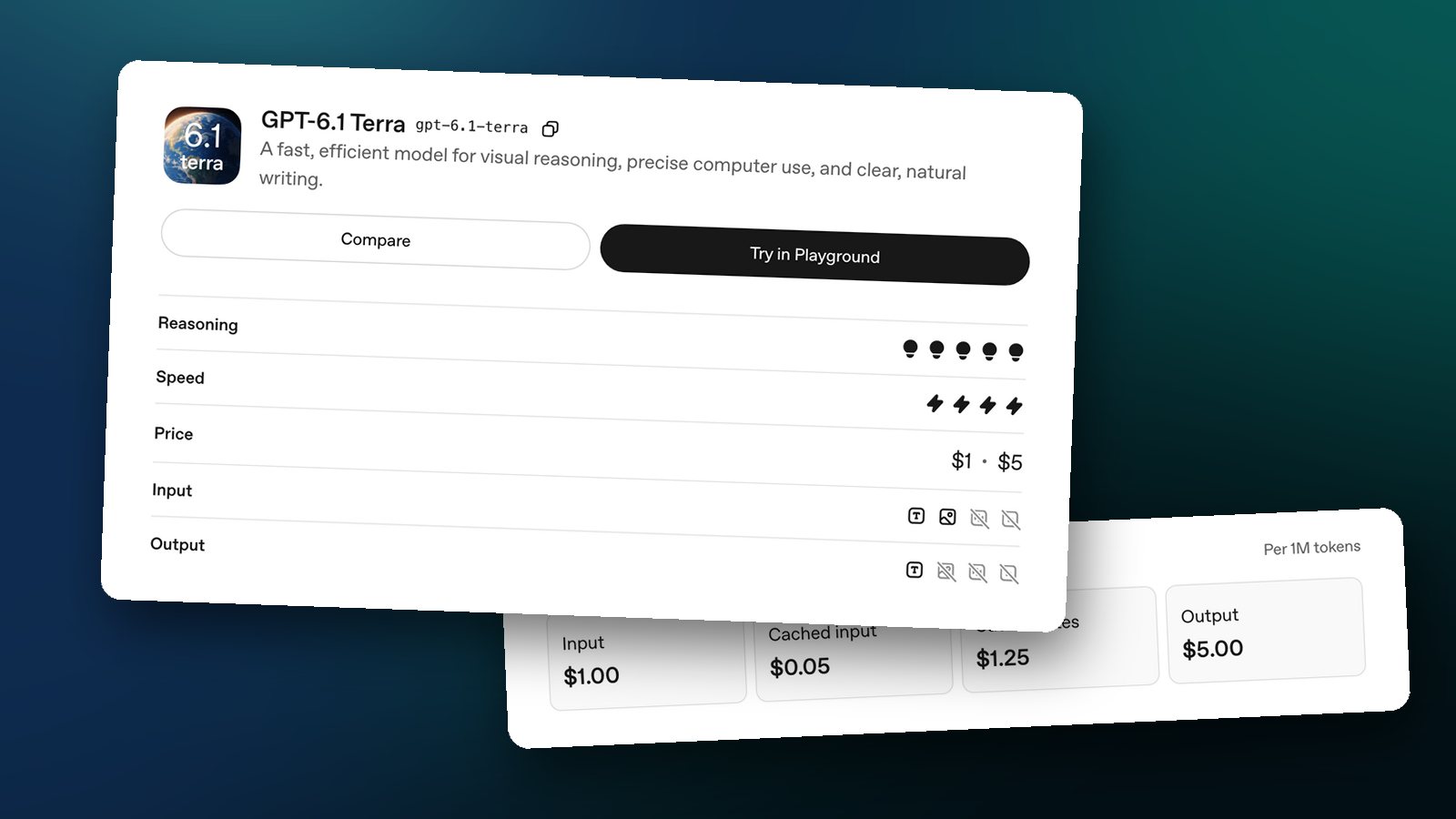
Here's the math that should get a marketer's attention. Grok 4.5's API price is $2.00 per million input tokens and $6.00 per million output tokens (with cached input at $0.50), per published pricing. For comparison, Claude's Opus 4.8 runs $5 per million input and $25 per million output.
On top of that, xAI claims 4.2x token efficiency over Opus 4.8 on SWE Bench Pro tasks. If that efficiency holds in real workloads, the effective cost gap on long-running agentic tasks widens dramatically — cheaper per token and fewer tokens per task. That combination is exactly what makes automating whole workflows viable rather than aspirational.
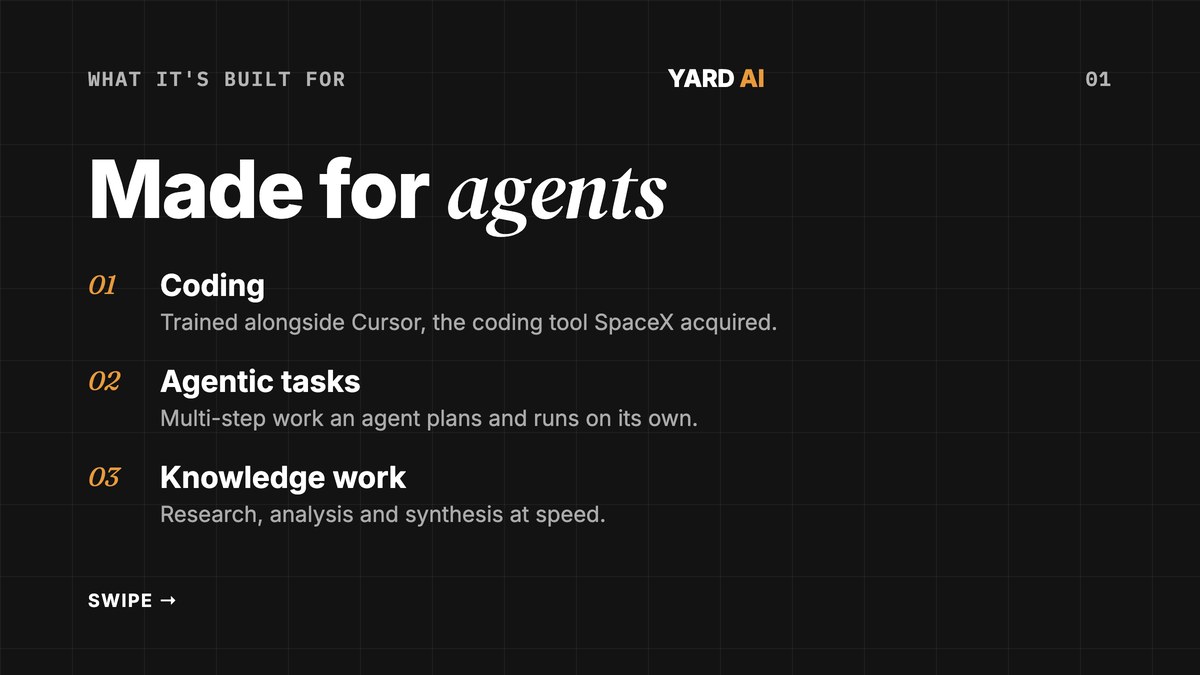
The reason this matters more than a typical model bump: Grok 4.5 is aimed at agentic work — planning and executing multi-step tasks, coding, and knowledge synthesis — not just answering a single prompt.
For a marketing team, that's the difference between "a chatbot that drafts copy" and "an agent that runs a chain." Think research → competitive analysis → creative variations → reporting, executed as one workflow. As the cost of that kind of AI keeps falling, the set of tasks worth handing to an agent keeps expanding.
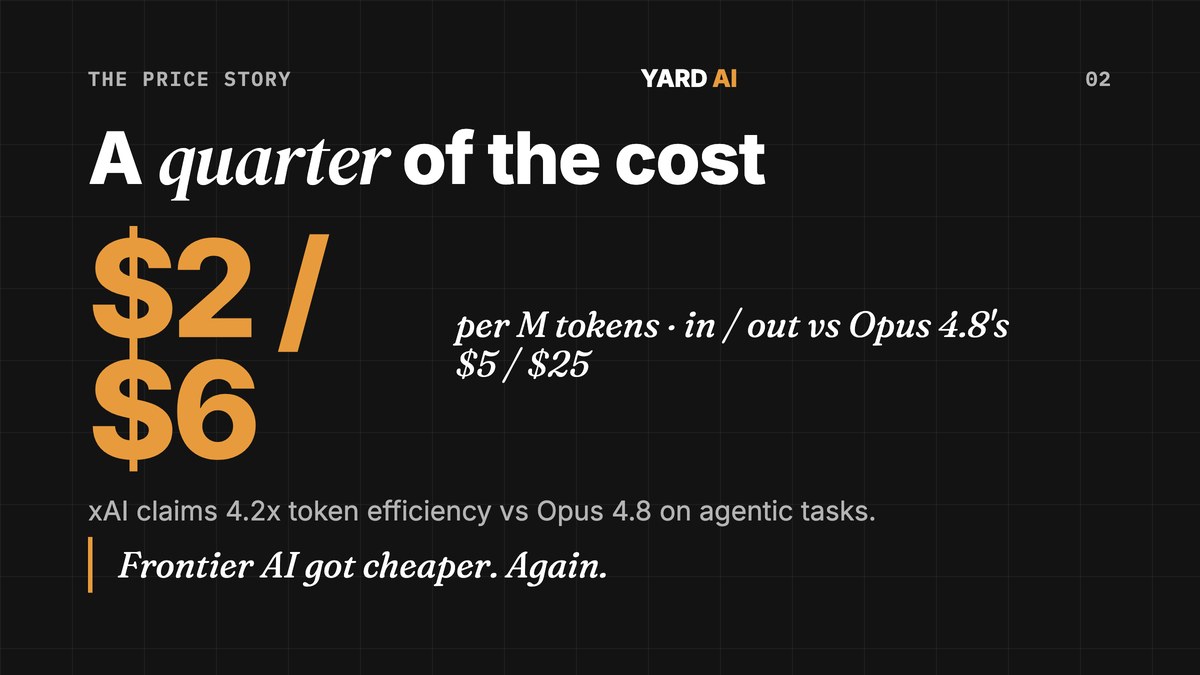
The takeaway isn't "a new Grok exists." It's that the cost floor for AI that does real work dropped again. Workflows that were too expensive to automate last quarter may be cheap this quarter.
The practical move: re-run your automate-vs-do-by-hand math. Every time a frontier-class model gets cheaper and more token-efficient, the threshold shifts, and more of your repetitive workflows cross the line into "worth automating." The teams that test more, automate more, and spend less per result compound an edge every time a release like this lands.

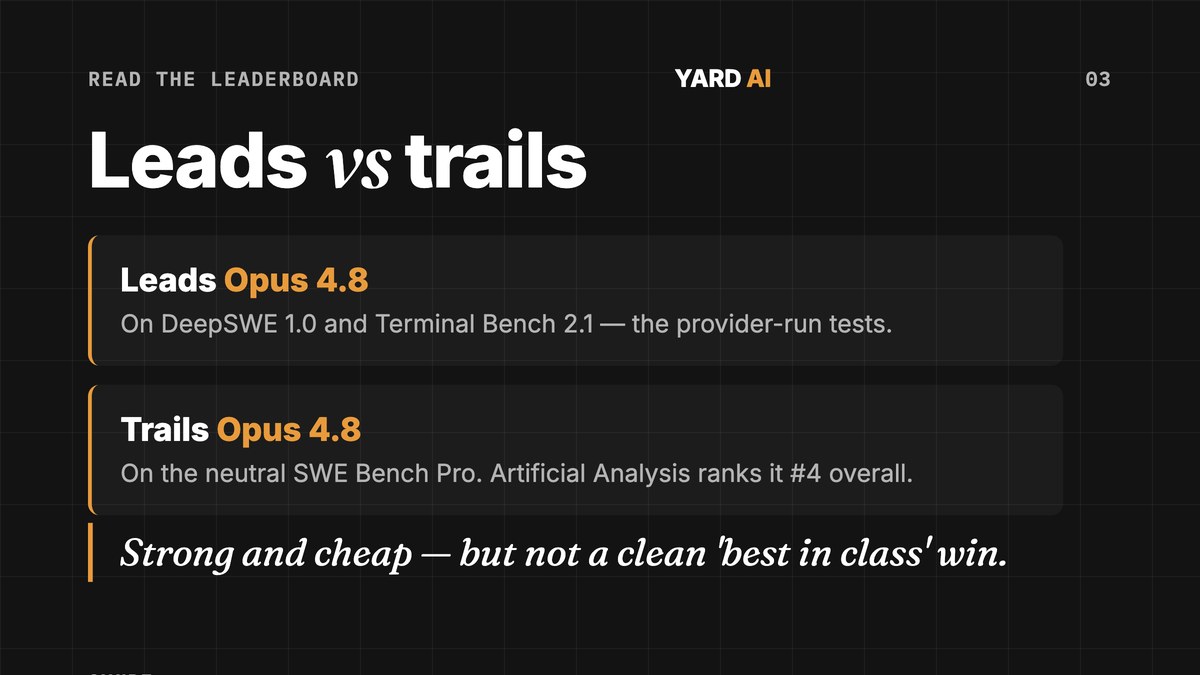
Be skeptical of the leaderboard hype. The benchmarks on Grok 4.5 are genuinely mixed. It leads Opus 4.8 on the provider-run DeepSWE 1.0 and Terminal Bench 2.1, but trails Opus 4.8 on the neutral DeepSWE 1.1 run and on SWE Bench Pro, according to benchmark reporting. Independent evaluator Artificial Analysis places it at 54 on its Intelligence Index, ranked #4 overall.
Translation: this is a strong, cost-efficient model — not a decisive "best in class" win. And with no EU availability yet, it isn't a fit for every team. Treat it as a powerful new option, not a mandate to rip out your stack.
Alongside the model, SpaceXAI introduced a no-code voice-agent builder — a tool to create voice assistants without heavy programming, per launch coverage. For marketers, that's a fast lane to lead-qualification calls, booking assistants, and support deflection without a developer in the loop. Worth a pilot if voice is anywhere in your funnel.
Grok 4.5 isn't a reason to panic or to switch everything. It's one more data point in a clear trend: agentic AI keeps getting cheaper, and the teams that treat that as a workflow-automation opportunity — not a headline — are the ones who pull ahead.
Yes. SpaceXAI made Grok 4.5 public on July 9, 2026, available in Grok Build, in Cursor across all plans, and via the SpaceXAI console. It is not yet available in the EU.
Its API pricing is $2.00 per million input tokens, $0.50 per million cached input tokens, and $6.00 per million output tokens — compared with Opus 4.8 at $5 input and $25 output per million.
It's mixed. Grok 4.5 leads Opus 4.8 on some provider-run benchmarks (DeepSWE 1.0, Terminal Bench 2.1) but trails on the neutral DeepSWE 1.1 and SWE Bench Pro. Artificial Analysis ranks it #4 overall with an Intelligence Index of 54.
SpaceXAI positions it as its smartest model for coding, agentic (multi-step) tasks, and knowledge work. It was trained alongside Cursor, the coding tool SpaceX acquired.
xAI claims Grok 4.5 uses roughly 4.2x fewer output tokens than Opus 4.8 on SWE Bench Pro tasks. If accurate, that compounds with its lower per-token price to make long agentic tasks much cheaper.
Re-run your automate-vs-manual math at the new price point, pilot one multi-step agent workflow, stay model-agnostic so you can swap per task, and trial the new no-code voice-agent builder if voice is in your funnel.